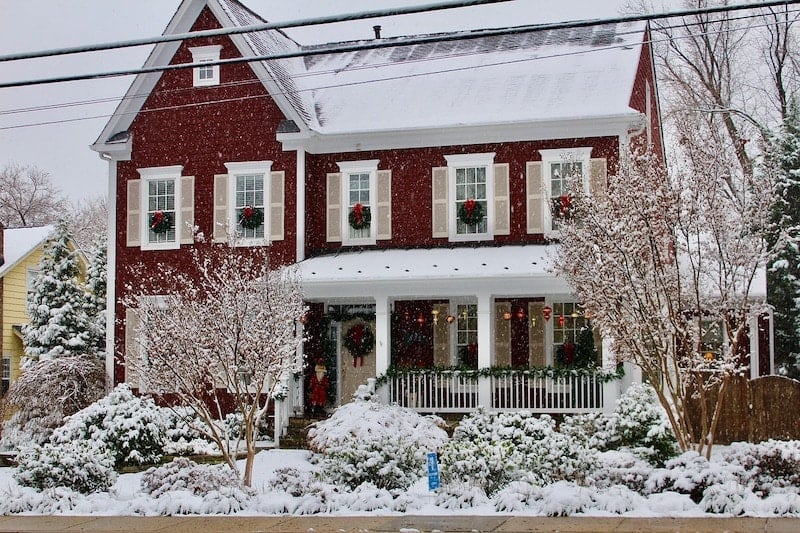
Homeowners across the country may be welcoming the cooler weather, but seasonal changes bring new sources of damage to your home. And with each passing year, your home’s exterior may show more and more wear, requiring more frequent replacement of your windows, doors and siding. So, how can you be prepared to protect your home from damage year-round? Read on for our tips on safeguarding your home’s exterior through the seasons.
Protecting Your Home During Fall And Winter
Fall Tips for Homeowners
Autumn’s arrival brings the first fallen leaf…and then another…and another. Before you know it, your roof, gutters and lawn are covered in leaf litter. When leaves pile up, they may retain moisture (a hotbed for mold growth) and even provide shelter for pests and small animals. Removing leaf debris may be most important for your gutters, where inhibited water flow can result in water damage to your roof, foundation and walls. Regular gutter cleaning reduces the likelihood of water blockage—especially important as winter approaches, and any residual water hardens into ice.
Winter Tips for Homeowners
What impact does cold weather have on your home? Under cooler conditions, the materials your home is built with will typically contract; as a winter’s day warms, those same materials will expand. These fluctuations can lead to weak points in your home’s structure, and may even result in cracks, draftiness and water damage.
How exactly does cold weather cause cracks in your home? Winter weather is notoriously wet—snow and freezing rain leave few spaces untouched after a storm. Snow can pile atop your roof and fill your gutters, while icicles can put pressure on your home’s eaves. When any of this moisture permeates expanded materials, like your home’s siding or the brick mortar in your chimney, and then freezes, it can cause your material to crack and shift the structure itself. Vinyl siding in particular is vulnerable to these temperature changes and water damage, so your entire home’s exterior is at stake without proper precautions. Here’s how you can prevent winter damage to your home:
- Clear your gutters on a routine basis to lessen the likelihood of dangerous amounts of snow and ice.
- Apply a water-repellent seal to any wood-based exterior spaces, like your deck or porch railings.
- Cold cracks your window caulking, so reapply caulk to any noticeable cracks to reduce drafts indoors.
- Remove standing moisture wherever possible. Repeated exposure to moisture can lead to rot and undue stress on your exterior products.
- Attend to any damage as soon as it is safe to do so. Unaddressed damage can lead to bigger (and more expensive) problems for your home, so it’s worth taking the time to repair or replace any damaged exterior products!
Protecting Your Home During Spring and Summer
Spring Tips for Homeowners
When the first warm days of the year arrive, you’ll want to be prepared for any melting snow or ice. Ideally, careful checks on your home throughout the winter will have reduced your springtime repair needs, but it’s always good to perform another routine review of your home’s exterior. Take care to note any areas of concern—particularly with respect to moisture if you live somewhere with heavy snowfall during the winter.
As spring progresses, you may notice increased amounts of pollen outside your home. And while those of us with allergies dread the annual uptick in pollen, itchy eyes and runny noses may seem minimal compared to the kind of damage pollen can inflict on your home’s exterior.
Much like leaf litter, pollen can accumulate on your roof and in your gutters, blocking the normal flow of water and increasing your home’s chances of water damage. Moreover, certain types of pollen are acidic; when mixed with moisture (from high humidity to rainfall), pollen can begin to degrade your home’s exterior surfaces. Consistent removal of plant matter and pollen from your home’s exterior can help minimize springtime damage.
Summer Tips for Homeowners
Just as extreme cold causes changes in your home’s materials, so too does extreme heat. When exposed to prolonged high temperatures, building materials like wood tend to expand and absorb moisture, which can lead to changes in shape and alignment, as well as accelerated decay. Heat also dries out caulk, causing it to crack and provide less effective insulation for your home. And under significantly high temperatures, paint can bubble and chip and potentially leave holes in your home’s exterior. Here’s how you can reduce heat’s impact on your home:
- Select a lighter color for your home’s exterior to reduce heat absorption.
- Use minimal water when cleaning your home’s exterior to limit the amount absorbed by your building materials.
- Repaint with a paint designed for use in high heat and sun exposure. Explore options that create a protective barrier around your home’s exterior.
Protect Your Home With Products That Last
During your routine seasonal checks of your home’s exterior, you may discover irreparable damage to your windows, doors or siding. With Window World of Muscle Shoals’s durable, energy-efficient replacement products, you can enjoy the year-round peace of mind that comes with our high-quality guarantee. Interested in learning more? Contact us today for your free estimate!