In this blog:
This blog covers how to address frost on your northwest Alabama home’s windows.
- Lowering indoor humidity and improving air circulation near the glass may help stop frost from forming.
- Sealing drafts with caulk, weatherstripping or removable window film can provide added protection against recurring buildup.
- Frost that repeatedly returns may point to failed seals, damage or less-insulating single-pane glass, which can make an energy-efficient replacement worth considering.
Muscle Shoals and northwest Alabama may be part of the South, but winter can still bring plentiful freezing weather. You naturally want your home to provide perfect insulation and comfort year-round, especially when cold moves in. If you wake up one icy morning and see frost and moisture on the inside of your windows, it may be a sign that your home isn’t as insulated as it could be. Why should it have to continue like this?
Fortunately, there are effective ways to get a handle on frosty windows and keep your home cozy. Let’s explore more about why frost forms on windows and how to prevent it.
Why Is There Frost or Condensation on the Inside of My Windows?
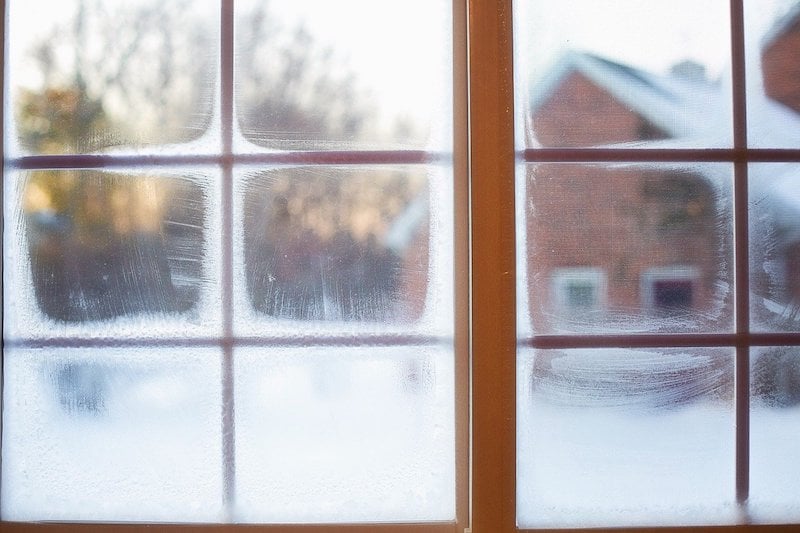
Frost on the inside of your windows is a natural result of differences between the air inside your home and the air outside. If it’s cold outside, then the window panes will naturally become colder. Warmer, moist air inside the home will also be naturally drawn toward the cooler air via drafts. When the humid air touches the cold glass, water vapor in the air condenses into liquid that builds on the pane. That liquid then freezes into frost.
Additional factors might further contribute to your home’s humidity and increase your frost risks. For example:
- Showers, baths, cooking and running a dishwasher without ventilation add significantly to indoor humidity.
- Houseplants, aquariums and even firewood stored indoors can add moisture to the air.
- An efficient, well-sealed home can trap heat better (which is a good thing). However, it can make frost worse around damaged windows.
The reason frost usually appears on window glass first is that the glass is often the coldest surface in a given room. Single-pane windows tend to develop frost more often because they lack the additional insulation provided by multi-pane window designs.
Although frost can occur on undamaged windows, you should always take its appearance with a grain of salt and keep an eye out for developing issues. Frost on any window is an indicator that your windows may have problems—such as broken seals or damaged panes—that are worsening drafts and pulling more air out.
Is ice on the inside of windows the same thing as frost?
Ice on windows is the same thing as frost, and both are caused by condensation forming on your windows and freezing. The ice is usually thicker and more solid than frost, and occurs due to higher humidity in the room, which allows more moisture to accumulate on the frame. Ice is also more likely to form if a glass surface is very cold, because it’s easier for the moisture to harden.
Why Is Frost and Ice Buildup on Windows a Problem?
When you see frost on your windows, it’s a sign that they are no longer properly sealed. Windows that aren’t well-sealed are a problem for several reasons:
- Poorly sealed windows are not as energy efficient. When your windows are energy-efficient, exterior temperatures don’t impact your windows or the temperature inside your home. Uncomfortable drafts may increase, and your HVAC system will have to work harder.
- Frost on windows will eventually melt, dripping onto your window sills and walls. This leads to water damage, not to mention mold and mildew.
- Unsealed homes can flourish with entryways for pests of all sorts, including termites that may only worsen existing damage.
- Windows with bad seals can no longer withstand heavy temperature changes as well as before. Damage may compound, leading to shrinkage, warping and further gaps around your windows.
With all that in mind, it’s pretty apparent that frost-free windows should be a priority in your home this winter. Here’s how you can go about keeping it at bay.
How to Prevent Frost on the Inside of Your Windows
While working to prevent frost on window glass, you’ll want to keep a few big ideas in mind:
- Lower the humidity in your space so there’s less moisture in the air.
- Improve air circulation near the glass to avoid stagnation that lets moisture build.
- Seal drafts that allow warmer air to be drawn toward the windows.
- Keep interior glass warmer so that moisture doesn’t freeze as easily.
How do you actually make frost prevention happen in real life? It’s actually easier than you might think, and there are some easy fixes that can help you out.
- Keep your home warmer to stop interior glass from becoming too cold. Most people keep their homes at 65–70°F, which is both comfortable and more energy-efficient.
- Use space heaters in colder rooms or those with poor insulation or multiple exposed walls. This can keep the glass from becoming too cold.
- Run bathroom exhaust fans and kitchen range hoods fans when needed.
- Briefly crack windows on dry winter days to allow damp air out and drier air in. Close them after a few minutes to avoid letting out too much heat.
- Place a dehumidifier in damper rooms like kitchens, bathrooms, basements and bedrooms.
- Keep blinds and curtains open during the day to allow air to circulate. Closed curtains may trap moist air against the window frame. You’ll even get the benefit of added natural light and heating, which can help reduce your HVAC burden in winter.
- Consider applying removable window insulation film as temporary protection against drafts.
- Caulk any gaps in your windows and add weatherstripping around window frames to stop drafts that may pull air toward the windows. Some people even place towels or other materials around window edges for added protection.
How to Safely Remove Frost or Ice From Windows
Removing frost or ice from your windows is usually pretty straightforward, but it does require a care to avoid damaging the glass or the surrounding window. Here are a few things you can do.
- Start the process by laying a towel along the window sill to catch any melting frost. You don’t want the water to soak into the frame.
- You can try buffing the frost and ice off using a room-temperature or slightly warm towel. Sometimes a little friction is all that’s needed. Do not use steel wool, sandpaper or other harsh materials.
- Turn a hairdryer on low heat and aim it at the frosted area. Keep it moving to encourage circulation and prevent the glass from becoming too hot in one area.
- Do not scrape frost with knives, razors or other sharp objects. Besides scratching the glass, one wrong move might damage the window’s seals.
- Do not pour hot water directly onto the window. The sudden temperature change might crack the glass.
Make sure your window panes, sills and frames are entirely dry once the frost has melted away. Wiping the area with a standard window cleaner that dries quickly may help speed the process.
Does Frost on Your Windows Mean You Need New Windows?
Frost on your windows doesn’t necessarily mean a window is broken, although it is a symptom of it. If you’re noticing frost repeatedly in the same areas, it’s a good sign that the window has existing damage, such as a broken seal. Replacing that window can help you repair the damage and not have to deal with a recurring issue.
Frost is also a decent indicator that your windows may not provide the best insulation, which can make your home less energy-efficient and more uncomfortable. Damage can reduce insulation, but certain windows are naturally less insulating than others. Older, single-pane windows typically provide much less insulation than double- or triple-pane options. So, if you upgrade to a newer model, you may find that your frost issues disappear.
What’s more, newer windows often come with a variety of energy-efficiency perks that maintain better indoor air quality. For example, low-E glass and argon glass inserts between multi-pane windows can reduce how much heat tries to escape through the cooler glass. This inhibits frost forming on the windows in the first place.
Frosty Windows Blocking Your Views?
When your windows have frost, it doesn’t need to be a recurring issue you just have to live with. Upgrading your windows to newer, energy-efficient models can help you create an insulated, comfortable home that better resists frost and keeps you cozy even when cold spells hit.
Window World of Muscle Shoals is proud to help homeowners throughout northwest Alabama upgrade their homes with energy-efficient replacement windows.
Get in touch today for a free in-home estimate.
Frequently Asked Questions
Why is there frost on the inside of my windows?
Frost on your windows can occur naturally when warmer, more humid air inside your home gets pulled toward cold, dry outside air via drafts. When the warmer air makes contact with cold window panes, the water vapor turns into condensation, which then freezes into frost.
Ice on your windows forms the same way as frost. Ice may form faster than frost in rooms with higher existing humidity, or if the window panes are exceptionally cold, causing faster freezing.
Is frost on a windowpane the same as condensation?
Frost on a windowpane is condensation that has frozen. When water vapor in the air made contact with the cold pane, it turned into condensation. The condensation then froze into frost.
Does frost on windows mean I need new windows?
Frost on the windows doesn’t necessarily mean you need new windows. All windows can develop frost under the right conditions. However, frost may occur more frequently on older, single-pane windows that lack sufficient insulation, or on windows with existing damage.
Frost on windows is also a big indicator that your home isn’t as well-sealed as it could be, and your windows may actually be contributing to the problem. By upgrading to new, better insulated windows, you may be able to cut down on drafts, improve interior comfort and make your home more energy-efficient. The upgrades may make frost less likely to occur on your windows.
Is it normal for windows to frost on the inside in winter?
It depends on what your definition of “normal” is. Any northwest Alabama home can develop frost on its windows, especially in winter. However, if your home has older windows, or your existing windows are damaged, they may make it easier for frost to develop. If you’re noticing frequent frost buildup on your windows, it may be a sign that there’s an insulation issue. Fixing that issue may help eliminate the frost.